Peppercorn Paper : Rubber Stamp : Handmade
There is a quiet magic in pressing a hand-carved rubber stamp onto a blank card and lifting it to reveal a crisp, one-of-a-kind impression. Unlike mass-produced stamps churned out by machines, handmade rubber stamps carry the mark of the maker—a subtle irregularity, a deeper groove, a personality that no factory can replicate. For lovers of stationery and the handwritten word, these stamps are more than tools; they are invitations to slow down, create, and connect. Peppercorn Paper, a brand celebrated for its artisanal approach to paper goods, embodies this philosophy with rubber stamps that turn ordinary envelopes, gift tags, and journal pages into works of art.
What Exactly Is a Handmade Rubber Stamp?
At its core, a rubber stamp is a device that transfers ink onto a surface using a raised image or design. While industrial stamps are produced by the thousands using automated molding and laser cutting, a handmade rubber stamp is crafted individually by an artisan. The process typically begins with a block of natural rubber or a specialized carving material, which is then cut, gouged, and shaped by hand to create the desired pattern. The finished rubber die is often mounted onto a wooden block, providing a sturdy base and a rustic, tactile feel that complements the handmade aesthetic.
What sets handmade stamps apart is their inherent imperfection. The slight variations in line thickness, the organic texture of the carved rubber, and the subtle differences from one stamp to the next give each piece a human touch. This imperfection is not a flaw but a feature—it means your stamped image will never look exactly like anyone else's, and that is precisely the point. For stationery enthusiasts, using a handmade stamp is akin to writing with a fountain pen; it elevates the act of correspondence into a mindful ritual.
The Craft Behind the Stamp: Carving by Hand
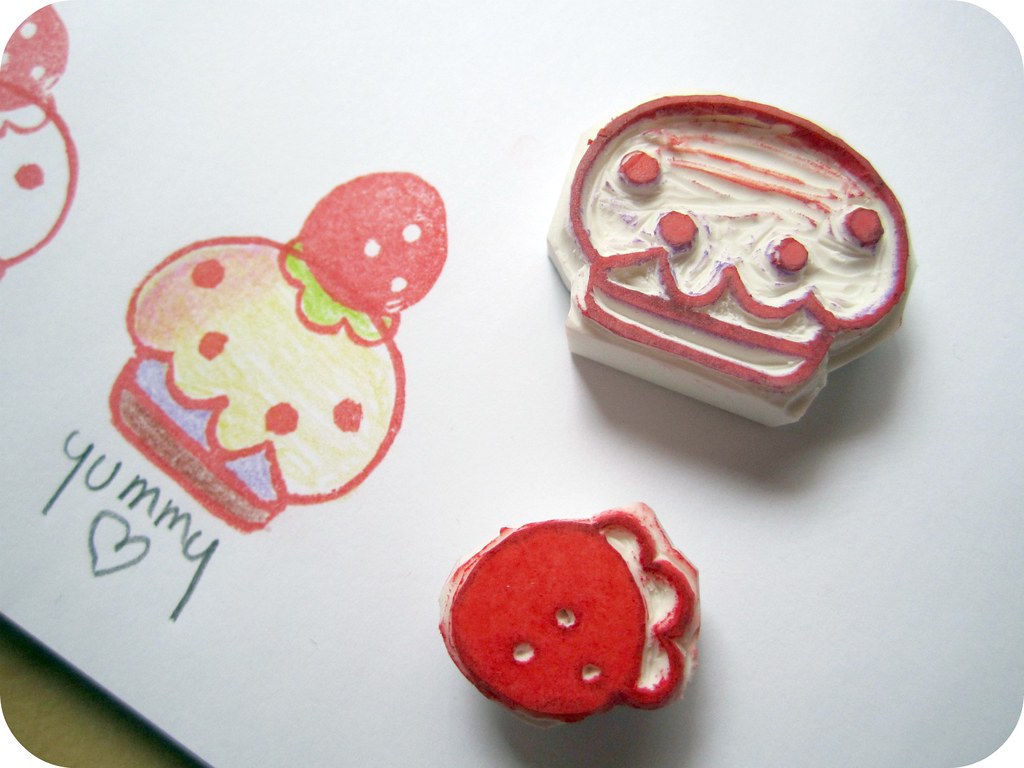
Creating a handmade rubber stamp is a labor of patience and precision. The process typically begins with a design, either drawn directly onto the rubber or transferred from a sketch. The artisan then uses a variety of carving tools—such as lino cutters, gouges, and knives—to remove the negative space, leaving only the raised areas that will hold ink. This is often done on a soft rubber block or on traditional red rubber that has been vulcanized for durability.
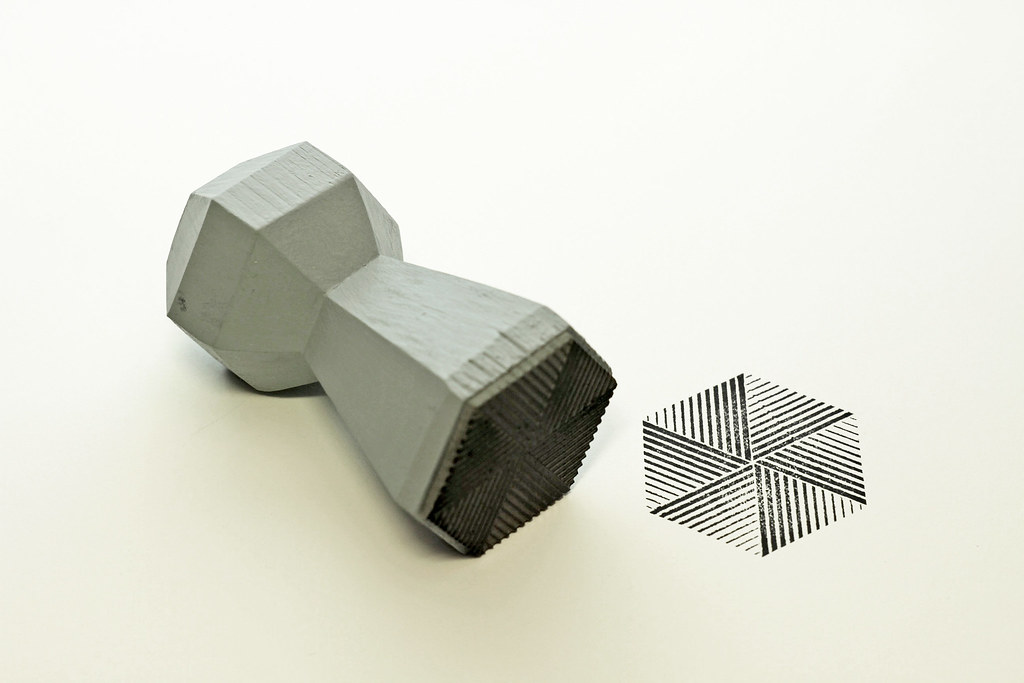
Each stroke of the tool must be deliberate; a slip of the knife can ruin hours of work. Unlike digital design, which can be undone with a click, hand carving demands a mastery of the medium. The depth and angle of each cut determine how the stamp will print, influencing everything from ink coverage to the crispness of fine lines. For intricate designs with tiny details, the carver may work under magnification, using needles and micro-gouges to achieve the desired precision. The result is a functional piece of art that can be used thousands of times, yet remains utterly unique.
Why Choose Handmade Over Factory-Made?
When you buy a handmade rubber stamp, you are not just purchasing a tool; you are supporting an artisan and a craft that values quality over quantity. Mass-produced stamps, while cheap and readily available, often lack the depth and character of their handmade counterparts. The rubber used in factory stamps is frequently softer and less durable, leading to fuzzy impressions after repeated use. Handmade stamps, carved from high-quality materials, can produce sharp, clean images for years with proper care.
There is also an aesthetic dimension. Handmade stamps often feature designs that are whimsical, nature-inspired, or imbued with a personal touch that mass-market catalogs cannot match. Think delicate botanicals, quirky animals, or heartfelt messages rendered in a hand-drawn style. These are not the generic “Happy Birthday” stamps found in big-box stores; they are pieces of art that reflect a particular vision. For those who value originality and craftsmanship, a handmade stamp is an investment in creativity.
Creative Ways to Use Rubber Stamps in Your Stationery
The versatility of rubber stamps is one of their greatest appeals. Here are just a few ways to incorporate them into your paper crafts:
- Custom greeting cards: Stamp a design onto blank cardstock, add a handwritten note, and you have a card that is far more personal than anything store-bought.
- Gift wrap and tags: Use a stamp to decorate plain kraft paper or create your own gift tags from cardstock scraps.
- Envelope embellishments: A small stamped motif on the flap or corner of an envelope makes your mail stand out in the best way.
- Journals and planners: Stamp dates, icons, or decorative borders to personalize your bullet journal or planner pages.
- Mixed media art: Combine stamping with watercolor, collage, or embossing for unique art pieces.
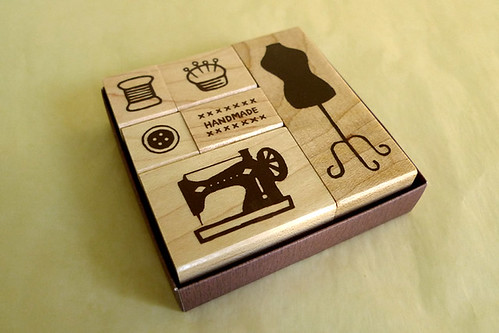
For those moments when a handmade card is the goal but time is short, pairing a stamped background with a ready-made card can be a perfect compromise. For example, you could use a rubber stamp to add a decorative border to a blank card, then slip in a humorous message from a card like Em & Friends : Greeting Card : I Got You. The combination of handmade and heartfelt is always a winner.
Caring for Your Handmade Rubber Stamp
To ensure your handmade stamp remains a joy to use for years, proper care is essential. Always clean your stamp immediately after use, especially if you are using pigment or permanent inks. A gentle stamp cleaner or mild soap and water will remove most ink; avoid harsh chemicals that can degrade the rubber. For detailed stamps, use a soft brush to dislodge ink from crevices, then pat dry with a lint-free cloth.
Storage is equally important. Keep stamps away from direct sunlight and extreme temperatures, which can cause rubber to dry out and crack. If your stamp is mounted on wood, avoid soaking the block in water; instead, wipe the rubber only. For unmounted stamps, store them in a cool, dry place, preferably in a padded container to prevent damage. With a little care, a quality handmade stamp can become a cherished heirloom, passed down through generations of letter writers.
The Peppercorn Paper Ethos: Artistry in Every Impression
Brands like Peppercorn Paper represent a return to thoughtful, small-batch production in an age of disposable goods. While we cannot speak to the specific techniques used by every artisan, the name itself evokes a sense of handcrafted charm—much like the peppercorn, a spice that is small but packed with flavor. Their rubber stamps are designed to bring that same concentrated joy to your paper projects, with motifs that celebrate nature, whimsy, and the art of the handwritten note.
A handmade stamp is not just a tool; it is a promise that the message you send is worth more than a text or an email. It says, “I took the time, because you matter.”
This philosophy resonates deeply in a world where digital communication has become the default. By choosing handmade tools, you are voting for a slower, more intentional way of connecting. Whether you are creating a birthday card, a thank-you note, or simply decorating your planner, a stamp from Peppercorn Paper adds a layer of meaning that no machine-made product can replicate.
Building a Stationery Collection with Heart
If you find yourself drawn to the world of handmade stamps, you are likely someone who appreciates the tangible joy of paper and ink. To round out your collection, consider pairing your stamps with other artisanal goods. Em & Friends, another brand that champions emotional honesty and humor in stationery, offers a range of cards and gift boxes that complement the handmade aesthetic. For instance, their A Box of Love is filled with warm, heartfelt messages that pair beautifully with a custom-stamped envelope. Or, if you need a pep talk for yourself, A Box of Pep Talks can sit on your desk as a reminder to keep creating.
Ultimately, the world of handmade rubber stamps is about more than just making marks on paper. It is about embracing imperfection, supporting artisans, and finding joy in the act of creation. Whether you are a seasoned crafter or a newcomer to the world of stationery, there is a handmade stamp waiting to become your signature. And when you press it into ink and onto paper, you are doing something quietly revolutionary: you are making something real, something that can be held, kept, and treasured.