Ceramic Dangle Earrings : Rachel Vitko
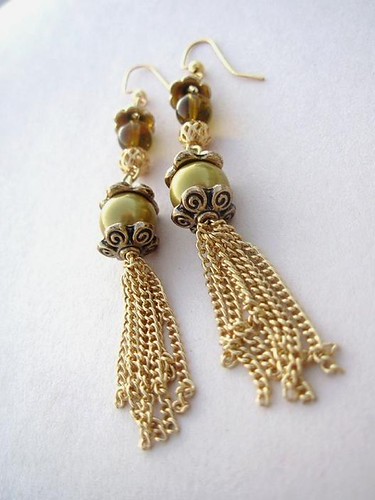
Ceramic jewelry has quietly become one of the most exciting corners of contemporary adornment, merging the ancient art of pottery with the intimacy of personal style. Rachel Vitko's ceramic dangle earrings sit at the heart of this movement, offering lightweight, handcrafted pieces that are as much miniature sculptures as they are accessories. In this article, we explore why ceramic earrings have captured the imagination of jewelry lovers, how they are made, and how to style and care for them—with a special focus on the distinct appeal of Vitko's work.
The Rise of Ceramic Jewelry
Ceramics have a long history in human culture, from functional vessels to decorative objects, but their use in jewelry is a relatively recent phenomenon in the modern era. Ancient civilizations, including the Egyptians and the Indus Valley people, crafted beads and amulets from fired clay, yet the practice faded as metalworking and gemstones took precedence. In the late 20th century, however, a resurgence of interest in craft and handmade goods brought ceramics back into the jewelry studio. Artists began experimenting with porcelain, stoneware, and earthenware to create wearable pieces that defied the conventional expectations of what jewelry should be made of.
Today, ceramic jewelry is celebrated for its incredible versatility. Clay can be shaped into virtually any form, from organic, nature-inspired curves to sharp, geometric lines. Glazes offer an endless palette of colors, textures, and finishes—matte, glossy, crackled, or speckled. Unlike metal, ceramic is lightweight, making even large dangle earrings comfortable for all-day wear. It is this combination of artistic freedom and practical wearability that has made ceramic earrings a favorite among those who seek something beyond the ordinary.
Crafting Ceramic Dangle Earrings: From Clay to Wearable Art
Every pair of ceramic dangle earrings begins as a lump of clay. The process is both meticulous and magical, requiring the artist to think in three dimensions while anticipating how the piece will shrink and change during firing. While each ceramicist has a unique approach, the fundamental steps remain the same.
Hand-Building and Shaping
Ceramic earrings are typically hand-built rather than thrown on a wheel, simply because the pieces are small and require fine detail. Techniques such as pinching, coiling, and slab building allow the artist to create organic shapes that feel alive and one-of-a-kind. Some artists use molds for consistency, but the most distinctive work often emerges from freehand sculpting. The clay must be carefully conditioned to remove air bubbles, which could cause cracking or exploding in the kiln.
Glazing and Firing
After the clay has dried to a leather-hard state, it is bisque-fired in a kiln at a relatively low temperature to remove all moisture and harden the piece. Then comes the glazing—the stage where color and surface texture are introduced. Glazes are made from minerals and oxides that melt and fuse to the clay during a second, higher-temperature firing. The results can range from brilliant, glassy surfaces to earthy, matte finishes. This high-heat transformation is where the magic happens: what emerges from the kiln is completely different from what went in, and no two firings are ever exactly alike.
The final step is assembly. The ceramic components are paired with ear wires, often made from hypoallergenic metals such as sterling silver or niobium. Because ceramic is fragile, the connections must be secure yet gentle, ensuring that the earrings swing gracefully without strain.
The Aesthetic Appeal of Rachel Vitko's Designs
Rachel Vitko's ceramic dangle earrings embody the handmade ethos in the truest sense. Each piece is shaped by hand, glazed with intention, and fired in small batches, meaning that every pair carries subtle variations that make it unique. Without relying on industrial precision, Vitko's work embraces the imperfections that are the hallmark of craft—slight asymmetries, organic edges, and glaze variations that tell the story of their creation.
What sets dangle earrings apart is their movement. Unlike studs or hoops, dangle earrings have a kinetic quality that draws the eye and adds life to the wearer's every gesture. Vitko's designs often feature organic, nature-inspired shapes—think pebbles, leaves, or abstract forms—that seem to have been plucked from a riverbed or a forest floor. The glazes may range from subtle, earthy tones to bold splashes of color, offering something for every aesthetic. The lightweight nature of ceramic means that even larger pieces remain comfortable, allowing the wearer to make a statement without the heaviness associated with traditional metal earrings.
Wearing a piece of handmade ceramic jewelry is like carrying a tiny sculpture with you—each piece tells a story of earth, fire, and human hands.
Styling Ceramic Dangle Earrings
Ceramic dangle earrings are surprisingly versatile, bridging the gap between casual and formal. Their organic textures make them an ideal complement to natural fabrics like linen, cotton, and wool, while their sculptural quality can elevate a simple outfit to something artful. Here are a few styling ideas to make the most of your ceramic earrings:
- Everyday Casual: Pair neutral-toned ceramic earrings with a white tee, jeans, and a denim jacket for an effortlessly cool, gallery-hopping look. The earrings add just enough interest without feeling overdone.
- Bohemian Flair: Combine earthy, textured ceramic earrings with flowing maxi dresses, stacked bracelets, and sandals. The natural materials harmonize beautifully.
- Office Chic: Choose smaller, geometric ceramic dangles in monochrome or muted colors to add a creative touch to workwear without breaking dress codes.
- Evening Glamour: Don't shy away from ceramic earrings for special occasions. Bold, glossy glazes in deep jewel tones can look incredibly sophisticated with a little black dress. And for an extra artistic edge, consider pairing them with a delicate Temporary Tattoo Leopard by Idlewild Co on your wrist or collarbone—the interplay of temporary ink and permanent ceramic creates a memorable ensemble.
Caring for Your Ceramic Earrings
Ceramic earrings are durable in everyday wear, but they do require a bit of mindful care. The clay body is strong yet brittle; a hard drop onto a hard surface can cause chipping or breakage. Here are some practical tips to keep your ceramic dangles looking their best:
- Avoid water exposure: While glazed ceramic is waterproof, the metal findings may not be. Remove your earrings before swimming, showering, or exercising.
- Store carefully: Keep each pair separate from other jewelry to prevent scratching. A soft pouch or a lined jewelry box works well.
- Clean gently: Use a soft, dry cloth to wipe away skin oils or cosmetics. Avoid abrasive cleaners or ultrasonic machines, which can damage the glaze.
- Handle with care: Put on and remove earrings over a soft surface, like a bed or a towel, to cushion any accidental drops.
Why Choose Handmade Ceramic Jewelry?
In a world of mass-produced accessories, handmade ceramic earrings offer a meaningful alternative. Each pair is the result of hours of labor, skill, and creative vision. When you purchase a piece from an artist like Rachel Vitko, you are not just buying an accessory; you are supporting a living craft tradition and the individual who practices it.
Moreover, ceramic earrings are inherently sustainable. Clay is a natural, abundant material, and small-batch production typically has a lower environmental footprint than industrial manufacturing. The pieces are built to last, and their timeless appeal means you'll wear them for years, not seasons. In an era of fast fashion, choosing a handcrafted ceramic earring is a quiet act of rebellion—a commitment to quality, artistry, and the human touch.
As you explore the world of ceramic jewelry, you may find that these pieces become more than mere accessories; they become conversation starters, wearable memories, and tiny testaments to the beauty of imperfection.